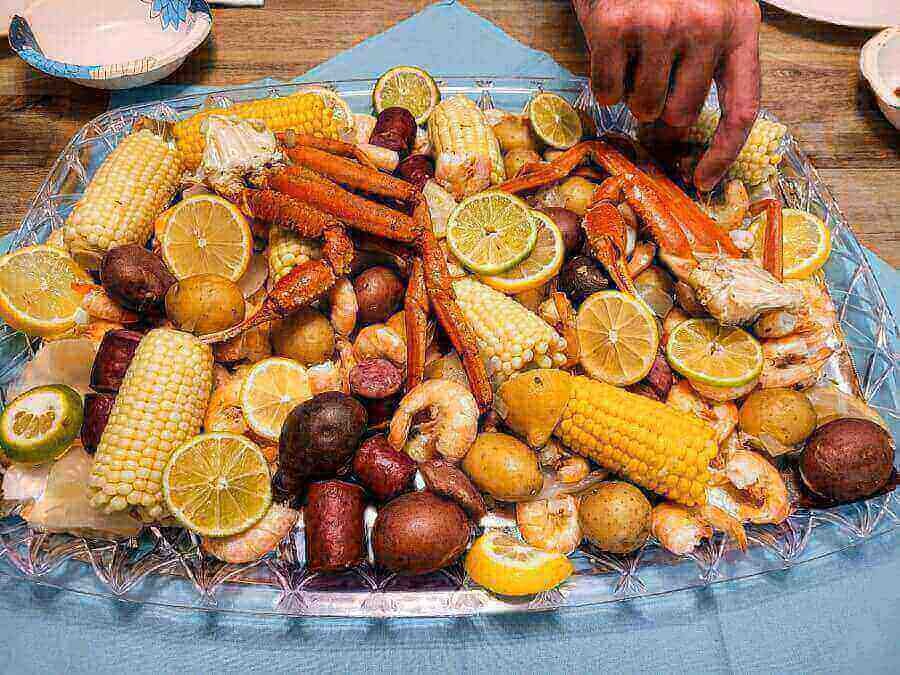
To truly embrace the spirit of Charleston's coastal heritage, experiencing an authentic Lowcountry Boil in Charleston SC is a must. It's more than just a meal; it's a sensory dive into the region's history, a communal feast that brings people together over fresh, local flavors. Forget delicate plating for a moment; this is about rolling up your sleeves and digging into a pile of perfectly seasoned seafood, sausage, and vegetables, often spread right on a newspaper-covered table. It's the taste of the tide, the comfort of Southern spice, and the joy of shared bounty.
At a Glance: Your Authentic Lowcountry Boil Journey
- Understanding the "Boil": Discover what makes a Lowcountry Boil unique and "authentic."
- Finding Your Feast: Learn where to find prepared boils or how to craft your own.
- Essential Ingredients: Get the lowdown on the core components for a traditional experience.
- The Communal Spirit: Embrace the casual, hands-on, and social nature of this iconic meal.
- Flavor Profiles: Understand the key seasonings and how to customize the spice level.
- Beyond the Plate: Tips for drinks, sides, and creating the perfect Lowcountry atmosphere.
The Heartbeat of Lowcountry Cuisine: What Defines the Boil
At its core, a Lowcountry Boil (often affectionately called Frogmore Stew, especially in its originating Beaufort County) is a straightforward, single-pot meal designed for ease and flavor. It emerged from the practical needs of local shrimpers and fishermen in coastal South Carolina, looking for a simple, hearty way to cook their fresh catches for large groups. This tradition is deeply intertwined with the region's Gullah culture, emphasizing communal eating and making the most of readily available, seasonal ingredients.
The defining characteristic of an authentic Lowcountry Boil is its specific combination of ingredients, all cooked together in a large pot seasoned with a blend of spices. It's not a delicate stew or a refined dish; it's robust, fragrant, and unapologetically messy, designed for sharing and savoring the bounty of the sea.
Ingredients: The Pillars of Authenticity
An authentic Lowcountry Boil hinges on four non-negotiable components, ideally sourced fresh and local:
- Fresh Shrimp: This is the star. Charleston's proximity to the Atlantic means incredibly fresh, sweet shrimp are readily available. Look for "Carolina Whites" or other local varieties. The quality of the shrimp truly makes or breaks the boil.
- Smoked Sausage: Typically a high-quality pork sausage, often kielbasa or a slightly spicy smoked sausage, cut into generous chunks. It adds a savory, smoky counterpoint to the sweetness of the shrimp.
- Corn on the Cob: Sweet, tender corn, usually cut into smaller pieces (2-3 inches), cooked until just tender, adding a burst of natural sweetness.
- Small New Potatoes: Red or gold potatoes, kept whole if small, absorbing the seasoned broth and becoming wonderfully tender.
Beyond these essentials, some variations might include onions (quartered) or lemons (halved) added to the pot for extra aromatic depth and brightness.
The Spice: More Than Just Flavor
The seasoning is crucial. While many families have their secret blends, a good quality seafood boil seasoning (like Old Bay) forms the base. This usually includes a mix of celery salt, mustard powder, black pepper, and paprika. For an authentic Lowcountry Boil in Charleston SC, you might find additional cayenne pepper, garlic, and sometimes bay leaves, contributing to a savory, slightly spicy, and incredibly aromatic broth that permeates every ingredient. The goal isn't necessarily overwhelming heat, but a deep, satisfying flavor that complements the fresh seafood.
Where to Find Your Lowcountry Boil in Charleston
While many of Charleston's esteemed restaurants celebrate Lowcountry cuisine with exquisite, plated dishes – establishments like 82 Queen, Magnolias, Husk, and Poogan's Porch excel in elevated interpretations of regional classics – finding a traditional, communal Lowcountry Boil on a standard restaurant menu can sometimes be a unique pursuit. Many focus on individual servings rather than the large-format, family-style presentation.
One notable exception, aligning with an experience of an authentic Lowcountry Boil in Charleston SC, is:
- Lowcountry Bistro: Conveniently located across from the Charleston City Market, this casual yet classic eatery explicitly lists "Frogmore Stew" on its menu. This is your direct signal for a restaurant offering a ready-made version of the traditional boil, combining shrimp, sausage, corn, and potatoes. It's a great spot to get a taste of the classic without the prep work.
Considering Alternatives for the Full Experience:
For those seeking the truly immersive, communal experience of an authentic Lowcountry Boil in Charleston SC, two primary avenues emerge beyond dedicated restaurant menu items:
- Host Your Own DIY Boil: This is perhaps the most authentic way to experience it. Charleston boasts numerous seafood markets where you can procure incredibly fresh shrimp directly from the docks. Combine this with local sausage, corn, and potatoes, and you can orchestrate your own backyard feast. This approach allows for complete control over ingredients, seasoning, and scale.
- Engage a Local Caterer or Private Chef: For larger groups or those who prefer a hands-off approach without sacrificing authenticity, many local caterers specialize in preparing and even serving Lowcountry Boils on-site. They bring the expertise, equipment, and often the historical storytelling that elevates the experience. This is especially popular for events, family gatherings, or vacation rentals.
These options lean into the spirit of the boil as a social gathering, often celebrated outdoors, encouraging guests to mingle, peel, and eat directly from the table.
The Art of the Boil: A Practical Playbook
If you're inspired to host your own authentic Lowcountry Boil in Charleston SC, here's a simplified guide to bring this tradition to life:
Essential Equipment:
- Large Stockpot: The bigger, the better. You'll need enough volume for all your ingredients and the seasoned liquid. A turkey fryer pot is ideal for large groups.
- Burner: If cooking outside, a propane burner (like for a turkey fryer) is essential.
- Long-handled Stirring Spoon/Paddle: To ensure even cooking.
- Large Colander/Basket Insert: For easy removal of ingredients from the hot liquid.
- Newspaper/Tablecloths: To cover your serving surface for the traditional, no-fuss presentation.
- Plates, Napkins, Wet Wipes: For your guests.
- Small Bowls: For discarded shells.
Step-by-Step Cooking:
- Season the Water: Fill your large pot about halfway with water. Add a generous amount of seafood boil seasoning, along with any extra garlic, onion, and lemon you desire. Bring to a rolling boil. Taste the water—it should be noticeably salty and spicy. Don't be shy; the ingredients will absorb the flavor.
- Add Potatoes: Drop the whole small potatoes into the boiling water. Cook for about 10-15 minutes, or until they start to soften slightly (a fork should pierce them with some resistance).
- Add Sausage: Introduce the sliced smoked sausage to the pot. Continue cooking for another 5-7 minutes.
- Add Corn: Add the corn on the cob pieces. Cook for about 5 minutes.
- Add Shrimp (Last!): Finally, add the fresh, raw shrimp. Cook for only 2-3 minutes, or until they turn pink and opaque. Overcooking makes shrimp rubbery.
- Drain and Serve: Carefully drain all ingredients using a large colander or the pot's basket insert.
- The Grand Reveal: Spread out newspaper or a disposable tablecloth on a large table. Pour the entire contents of the boil directly onto the table. This is the hallmark of an authentic experience!
Hosting Tips for the Perfect Atmosphere:
- Keep it Casual: The beauty of a Lowcountry Boil is its unpretentious nature. Encourage guests to relax, get their hands dirty, and enjoy the communal aspect.
- Offer Dipping Sauces: While the boil is flavorful on its own, small bowls of melted butter, cocktail sauce, or hot sauce are welcome additions.
- Beverage Pairings: Sweet tea is a must. For alcoholic options, local craft beers (especially lighter lagers or pilsners), a crisp rosé, or chilled white wine complement the flavors beautifully.
- Simple Sides: A side salad or some crusty bread for soaking up the juices are often the only accompaniments needed.
- Outdoor Ambiance: If weather permits, hosting outdoors truly enhances the experience. Think string lights, casual seating, and maybe some Southern tunes.
To gain a broader perspective on the diverse and rich culinary traditions that define this coastal region, you can always Explore Charleston's Lowcountry Cuisine, discovering how dishes like the boil fit into the larger tapestry of flavors and history.
Quick Answers: Your Lowcountry Boil FAQs
Q: What's the difference between a Lowcountry Boil and Frogmore Stew?
A: Absolutely nothing! They are two names for the exact same dish. "Frogmore Stew" originated from a small community called Frogmore on St. Helena Island in Beaufort County, where the dish is said to have been perfected. Both terms refer to the classic shrimp, sausage, corn, and potato boil.
Q: Is a Lowcountry Boil typically spicy?
A: The spice level can vary. An authentic boil will always have a distinct seasoning, often with a mild-to-moderate kick from ingredients like cayenne pepper in the boil mix. However, it's generally not overwhelmingly spicy, aiming for flavor over heat. When making your own, you have full control to adjust to your preference.
Q: Can I add other seafood to the boil?
A: While shrimp is traditional, many people enjoy adding blue crabs (especially local ones, in season), mussels, or clams to their boil for extra variety. Just be mindful of cooking times for each type of seafood to avoid overcooking.
Q: What's the best time of year to have a Lowcountry Boil in Charleston?
A: While enjoyable year-round, the warmer months, especially during peak shrimp season (typically late spring through fall), are ideal. The fresh, local shrimp will be at their sweetest, and the outdoor, communal nature of the boil shines in pleasant weather.
Q: Do I need special utensils for eating?
A: Not really! The beauty of a boil is its hands-on simplicity. Guests usually peel their own shrimp, break off pieces of corn, and eat potatoes with their fingers. Wet wipes are a definite must-have!
Your Next Step to an Authentic Charleston Experience
Whether you choose to savor a thoughtfully prepared Frogmore Stew at a local eatery like Lowcountry Bistro, or embark on the culinary adventure of hosting your own backyard feast, experiencing an authentic Lowcountry Boil in Charleston SC is more than just a meal. It's an invitation to connect with the city's coastal soul, its history, and its community. Gather your friends and family, prepare for delicious messiness, and dive into one of Charleston's most iconic and genuinely satisfying culinary traditions. The taste of fresh shrimp, spicy sausage, sweet corn, and tender potatoes, all mingling with that distinctive Lowcountry seasoning, will create a memory as rich and vibrant as the city itself.