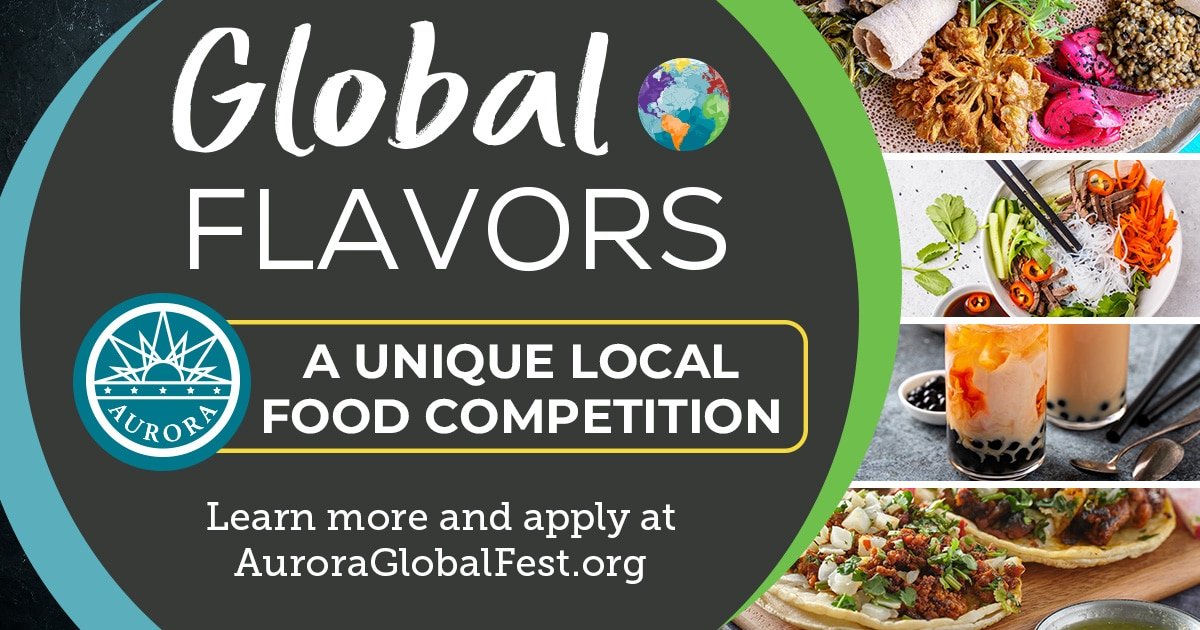
The American plate is changing, and it's not just a passing trend—it's a full-blown culinary revolution. Gone are the days when "ethnic food" was a niche category; today, Diverse Global Flavors are seamlessly woven into the fabric of daily dining, setting a new standard for what we expect from our meals out and in. This isn't just about trying something new; it's about a cultural shift, driven by curious palates and an ever-connected world, redefining American cuisine from the ground up.
At a Glance: The Global Flavor Revolution
- Mainstream Movement: Nearly half of all U.S. consumers eat globally influenced food weekly, a significant jump from just a few years ago.
- Operator Opportunity: Seven in ten restaurant operators report increasing demand for global flavors, seeing higher volume and profit margins.
- Youth-Driven: Younger diners (Gen Z and Millennials) are leading the charge, fueled by social media, travel, and a desire for authentic experiences.
- Accessibility is Key: Global restaurants and grocery stores are widespread, making diverse options readily available to most Americans.
- Beyond the Entrée: Global influences are popping up everywhere, from unique coffee and tea varieties to exotic desserts and adventurous snacks.
- Challenges & Solutions: Staff training and clear, descriptive menus are crucial for operators looking to capitalize on this trend.
The Big Shift: Why Global Flavors Are Dominating the Menu
What once felt exotic or adventurous now feels familiar and comforting. The data is clear: 47% of U.S. consumers are eating globally influenced food weekly, a remarkable 68% increase since 2017. This isn't just a bump; it's a structural shift. Restaurants offering globally influenced cuisines, especially those specializing in Asian and South/Central American dishes, have actually gained market share since 2019, even as the broader industry has faced closures.
So, what's driving this hunger for the world's kitchens?
A Generation's Global Palate: The Youthful Catalyst
At the heart of this culinary transformation are Gen Z and Millennials. These younger consumers are digital natives, exposed to diverse cultures through social media, travel blogs, and a constant stream of viral food trends. They view food as more than just sustenance; it's a means of exploring identity, connecting with communities, and expressing creativity. A scroll through TikTok or Instagram can introduce them to a new dish, a new ingredient, or a new restaurant, creating immediate demand.
This generation isn't afraid to experiment. They're seeking out authentic, adventurous taste experiences, and they appreciate the stories behind the food. Their willingness to embrace unfamiliar flavors and ingredients is pushing the boundaries of traditional American dining.
Unprecedented Access: The World at Your Doorstep
The infrastructure for global dining has never been more robust. With 88% of consumers having a global restaurant nearby and 78% having access to a global grocer, diverse options are no longer just for big cities. This widespread accessibility means that trying a new cuisine is as easy as ordering takeout or making a quick trip to the grocery store. Consumers actively choose global foods when dining out, with 55% making it their preference. The convenience and variety fuel a continuous cycle of discovery and demand.
The New Stars of the Plate: Trending Global Flavors You Need to Know
While familiar global cuisines like Italian and Chinese remain popular, they're evolving, offering more regional depth. Think Roman cacio e pepe alongside classic spaghetti, or South Indian dosas alongside butter chicken. But beyond these staples, a new wave of dishes and ingredients is rapidly gaining traction, driven by curiosity and culinary innovation.
Savory Sensations: From Tacos to Tagines
Some of the fastest-growing global dishes are redefining what's possible in American kitchens:
- Birria: This slow-cooked goat or beef stew, originating from Jalisco, Mexico, has exploded in popularity. Beyond traditional bowls, you'll find birria tacos, quesadillas, ramen, and even birria pizza, showcasing its incredible versatility. When you're searching for your next authentic experience, remember that Charleston's Top Margarita Spots often feature chefs pushing these boundaries.
- Salsa Macha: A smoky, nutty chile oil from Veracruz, this condiment is quickly becoming a pantry staple. Its complex flavor profile makes it perfect for drizzling over eggs, tacos, grilled meats, or even toast.
- Aguachile: A spicier, more vibrant cousin to ceviche, aguachile hails from Sinaloa, Mexico. Raw shrimp is submerged in a liquid seasoned with lime juice, chilies, cilantro, and cucumber, creating a refreshing yet fiery dish.
- African and Middle Eastern Flavors: These cuisines are seeing a significant surge, particularly among younger diners.
- Harissa: A fiery, aromatic chili paste from North Africa, adding depth to stews, marinades, and dips.
- Shawarma: Vertically roasted, thinly sliced meats (often chicken or lamb) wrapped in flatbread with fresh vegetables and sauces.
- Jollof Rice: A beloved West African one-pot rice dish, typically made with tomatoes, onions, peppers, and various meats or vegetables.
- Tagines: Slow-cooked stews named after the earthenware pot they're cooked in, offering rich, aromatic flavors from Morocco.
Other notable savory trendsetters include Mexican Elote, the authentic street corn blending smoky, creamy, and umami flavors, and Mediterranean Tzatziki, a refreshing yogurt and cucumber dip. Even snack aisles are reflecting this trend, with new products like Octonuts Gochujang Cashews and Doritos Golden Sriracha.
Beyond the Plate: Global Sips and Sweets
The global flavor movement isn't confined to main courses. Beverages and desserts are also undergoing a delicious transformation.
Adventurous Sips: Coffee, Tea, and More
Consumers are eager to explore new global coffee and tea varieties, with 57% expressing interest.
- Exotic Coffee & Tea: Think bold Filipino and Vietnamese coffees, traditional Mexican Café de Olla with cinnamon, or trendy pandan iced lattes.
- Yerba Mate: This South American herbal tea, like Mateina Yerba Sticks with citrus infusions, is gaining popularity as a natural energy booster.
- Fusion Beverages: Brands like Jarritos are blending boba tea with Mexican soda flavors in their Jarriboba line, creating unique and refreshing drinks.
Sweet Escapes: Desserts with an International Twist
Desserts are becoming a canvas for emerging international flavors, moving beyond chocolate and vanilla to offer truly unique experiences.
- Ube: This Filipino purple yam offers sweet vanilla notes and nutty undertones, making it a star in everything from ice cream to Sprinkles Cupcakes Huda Beauty Ube Birthday Cupcake.
- Matcha: The vibrant green Japanese powdered tea provides an earthy, slightly bitter counterpoint to sweet treats, found in cakes, lattes, and confections.
- Baklava: Layers of filo pastry, nuts, and sweet syrup, this Middle Eastern dessert is a rich and satisfying indulgence.
- Saffron & Black Sesame: These ingredients add sophisticated, aromatic, or nutty dimensions to desserts, from ice cream to fine chocolates.
- Tropical Sorbet & Tamarind Swirls: Offering a bright, tangy counterpoint, these flavors are driving premium dessert trends. The Compartes Aperitif Spritz Chocolate Bar and Tamalitoz Chamoy Chili Pops further exemplify the blend of international and sweet.
Whether you're craving a refreshing beverage or a decadent dessert, the world's sweet treats are now accessible. And if you're looking for that perfect blend of traditional and contemporary, places that serve Charleston's best fresh sushi often have inventive dessert menus, too.
The Business of Global Flavors: Opportunities and Challenges for Operators
This isn't just a feel-good story about food; it's a significant business opportunity. Global flavors command a premium, with 74% of operators reporting these dishes can justify higher prices. This trend represents a structural shift in American dining, offering substantial potential for both volume and margin growth across the industry.
Capitalizing on the Craze: Where the Opportunities Lie
- Full-Service Restaurants: These establishments can delve into regional specificities and authentic preparation, offering a truly immersive experience. Think specialized tasting menus or deep dives into particular culinary traditions. For instance, focusing on the nuances of regional Italian cuisine, much like you'd find at an establishment offering Authentic Italian Pasta Charleston SC, can set you apart.
- Fast-Casual Concepts: Speed and approachability are key here. Globally inspired bowls, wraps, or customizable street foods offer quick, flavorful options that cater to busy lifestyles.
- Quick-Service Restaurants (QSRs): Even QSRs can introduce globally inspired sauces, limited-time offers (LTOs) with trending flavors, or fusion items to attract new customers and drive repeat business.
- Retailers: Grocery stores can expand their international aisles, offering specialty ingredients, ready-to-eat meals, and innovative global snack options.
Overcoming the Hurdles: Authenticity Meets Approachability
Despite the immense potential, operators face challenges in delivering these diverse experiences successfully.
- Staff Training: The biggest concern for 49% of operators is ensuring their teams are adequately trained in authentic preparation. Global cuisines often involve unique ingredients, specialized techniques, and distinct flavor profiles that require dedicated education.
- Menu Descriptions: When presenting unfamiliar foods, clear and detailed menu descriptions are paramount. A staggering 76% of consumers rely on these descriptions to understand what they're ordering and to feel confident trying something new. Generic terms won't cut it; specificity builds credibility and reduces hesitation.
Success in this arena hinges on striking a delicate balance: sourcing authentically while communicating approachability. It’s about celebrating the true origins of a dish while making it accessible and appealing to a broad audience.
Your Playbook for Global Success: Actionable Insights for Restaurants
Ready to dive into the world of diverse global flavors? Here’s how you can authentically integrate these trends into your operation and captivate your customers:
- Start Small, Experiment Big: You don't need to overhaul your entire menu. Begin by introducing globally inspired elements like unique sauces, marinades, or side dishes. Perhaps a Yuzu Citrus vinaigrette for a salad, or a side of crispy plantains. This allows you to test new flavors and gauge customer interest without significant commitment.
- Invest in Your Team's Culinary Education: Your staff is your front line. Invest in training on global ingredients, cooking techniques, and flavor profiles. Consider bringing in guest chefs for workshops or offering educational trips (even virtual ones!) to foster a deeper understanding and appreciation for the cuisines you're introducing. Knowledgeable staff can also confidently answer customer questions, enhancing the dining experience.
- Craft Compelling Menu Narratives: Don't just list ingredients; tell a story. Use specific, descriptive language that highlights the origins, key flavors, and unique textures of each dish. For instance, instead of "spicy shrimp," try "Aguachile Verde: fiery shrimp marinated in lime and serrano, with cool cucumber and red onion." This educates customers and makes them feel more comfortable trying something new.
- Balance Authenticity with Approachability: While striving for authenticity in sourcing and preparation, present dishes in a way that feels welcoming. Highlight traditional methods but use accessible language. For example, explain what harissa is by comparing it to a familiar condiment (e.g., "a smoky, spicy North African chili paste, perfect for dipping"). Consider offering a "spice level" guide or suggesting complementary pairings.
- Embrace Rotation and LTOs: Keep your menu dynamic by rotating global offerings as limited-time offerings (LTOs) or seasonal specials. This creates excitement, encourages repeat visits, and provides an opportunity to test a wider range of global flavors without permanent menu changes. You might feature a different regional Mexican dish each month, or a rotating selection of African stews.
The Future Is Flavorful: Embracing the New American Palate
The rise of diverse global flavors isn't a fleeting fad; it's a fundamental redefinition of American dining. From the vibrant street foods of Mexico to the aromatic spices of the Middle East, these cuisines are enriching our culinary landscape, offering a world of discovery in every bite. For restaurants, chefs, and food entrepreneurs, this moment represents an unparalleled opportunity. By mastering the art of balancing authenticity with approachability, investing in informed staff, and telling compelling stories through your menu, you can not only meet the soaring demand but also lead the way in this exciting, flavorful future. The American palate has spoken, and it's craving the world.