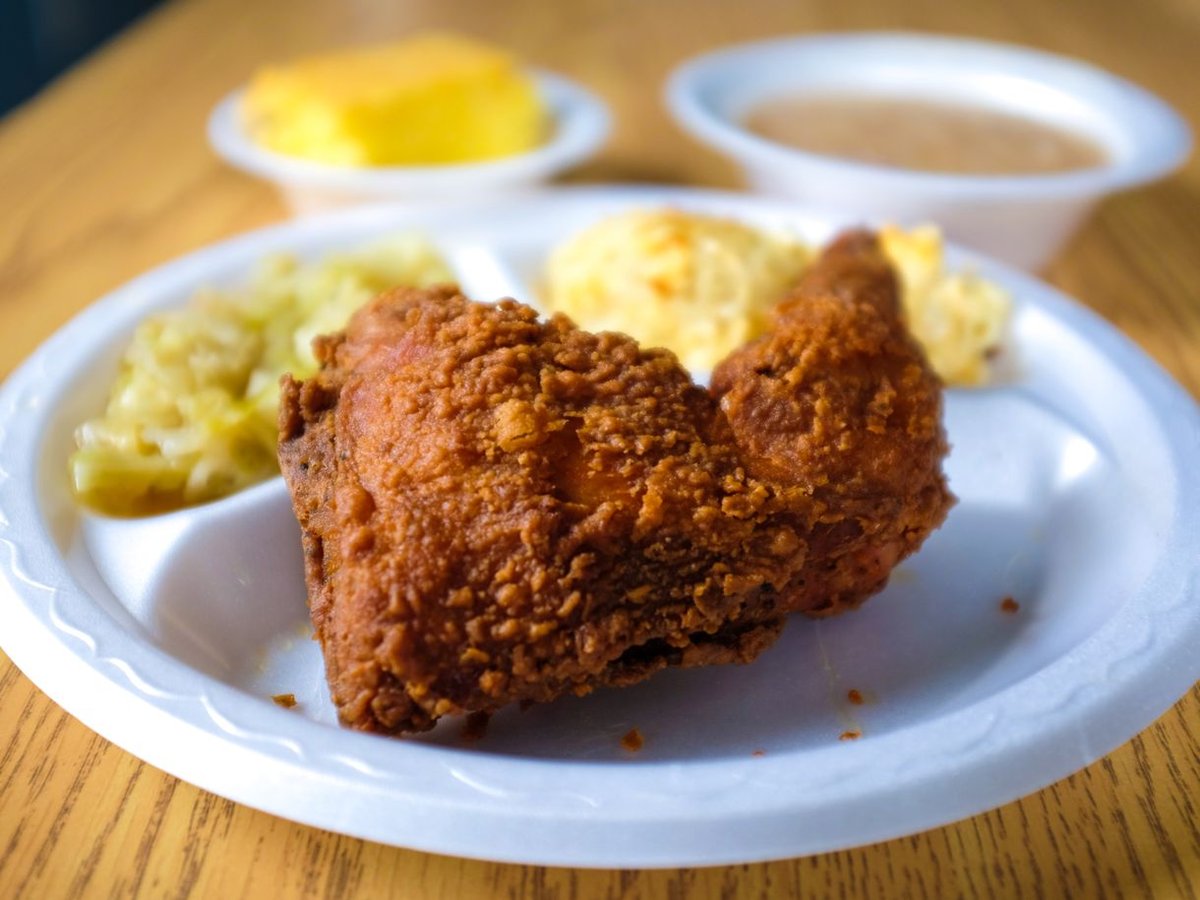
Step into Charleston, South Carolina, and you don't just visit a city; you embark on a culinary journey steeped in centuries of history. Signature Charleston Cuisine is far more than just food; it's a vibrant tapestry woven from Southern tradition, African resourcefulness, Caribbean spice, and European refinement. This isn't just about eating well; it's about tasting the past, feeling the coastal breeze, and understanding the soul of the Lowcountry through its flavors. From the ocean's bounty to the rich earth of local farms, every dish tells a story of adaptation, celebration, and a profound connection to its ingredients.
At a Glance: Your Guide to Charleston's Plate
- A Fusion of Flavors: Charleston's food is a unique blend of Southern, African, Caribbean, and European culinary traditions.
- Farm & Sea to Table: Local ingredients, fresh from the Atlantic and surrounding farms, are the foundation of every meal.
- Iconic Dishes to Try: Don't miss She Crab Soup, Shrimp & Grits, and Lowcountry Boil—they're essential experiences.
- Rice is King: Historic Carolina Gold Rice forms the backbone of many beloved Lowcountry staples like Hoppin' John and Pilau.
- Sweet & Savory: From Benne Wafers to Pimento Cheese, the snack and dessert scene is just as rich and diverse.
- More Than a Meal: Each dish offers a glimpse into Charleston's rich cultural heritage and a deep respect for tradition.
The Lowcountry Larder: Where History Meets the Plate
Charleston's culinary identity isn't a recent phenomenon; it's been simmering for hundreds of years. The city’s position as a major port brought a confluence of cultures, each contributing to a distinctive gastronomic lexicon. Enslaved Africans brought rice-growing expertise, preserving techniques, and a knack for seasoning that became the bedrock of Lowcountry cooking. European settlers introduced new ingredients and culinary methods, while Caribbean influences added a layer of vibrant spices and flavors.
This rich heritage, combined with an abundant natural pantry—the Atlantic Ocean teeming with shrimp, oysters, and fish, and fertile land yielding corn, okra, and greens—fostered a truly unique "farm-to-table" philosophy long before it became a modern trend. Charlestonians have always understood the power of fresh, local ingredients, transforming simple provisions into extraordinary meals that define the region.
The Coastal Calling: Charleston's Seafood Legacy
No exploration of Charleston cuisine can begin without dipping into the ocean's generous offerings. Seafood here isn't just a menu item; it's a way of life, reflecting the city's deep connection to its maritime environment.
The Crown Jewel: She Crab Soup
If there's one dish that epitomizes Charleston's refined coastal charm, it's She Crab Soup. This creamy, luxurious bisque is legendary for its delicate balance of rich crab meat, heavy stock, and a hint of sherry. Its distinguishing feature? The vibrant orange roe from female crabs, which gives the soup its signature color and depth of flavor. Legend attributes its creation to Mayor Rhett’s chef, William Deas, in the early 1900s, who famously adapted it for President Taft. It's a must-try, offering a taste of Charleston's aristocratic past.
Sharing a similar flavor profile and indulging creamy texture is She-crab Dip, a beloved appetizer that captures the essence of the soup in a more shareable form. Typically featuring blue crab, cream cheese, mayonnaise, Worcestershire sauce, and a dash of Old Bay, it’s served warm with crackers or toasted bread, perfect for starting any Lowcountry feast.
Shrimp & Grits: A Southern Icon Elevated
From humble beginnings to culinary star, Shrimp & Grits has become a beloved Southern classic, and Charleston does it particularly well. This dish elevates simple ingredients into something sublime: succulent shrimp, often sautéed with bacon or country ham in a flavorful, savory sauce, served generously over creamy, stone-ground grits, cooked low and slow until perfectly tender. Its origins as a recipe date back to at least 1930, evolving from a fisherman's breakfast into an upscale restaurant staple. To truly Explore Charlestons Shrimp & Grits, seek out establishments that pride themselves on using local shrimp and freshly milled grits.
Lowcountry Boil: A Communal Feast
When it's time for a gathering, nothing beats a Lowcountry Boil, also affectionately known as Frogmore Stew. This popular communal seafood boil is a riot of fresh flavors: plump shrimp, tender corn on the cob, savory sausage, and hearty potatoes, all simmered together in a single pot. The magic lies in the flavorful broth, typically seasoned with Old Bay or a similar blend of spices, which permeates every ingredient. Named after Frogmore on St. Helena Island, this dish is less about individual plating and more about coming together, spilling the contents onto a newspaper-covered table, and digging in with friends and family. It’s an authentic taste of Southern hospitality and a true community experience. You can Experience Authentic Lowcountry Boil at many local seafood shacks or even host your own.
Oysters: The Lowcountry’s Salty Treasures
Charleston's oyster harvest is a cause for celebration, and these bivalves appear in countless delicious forms:
- Oyster Pot Pie: A savory, comforting pie featuring plump local oysters nestled in a creamy sauce with vegetables like onions and celery, sometimes enriched with bacon or ham, all encased in a flaky pie crust.
- Cream Oysters: A classic preparation from Sarah Rutledge’s 1847 cookbook The Carolina Housewife, this dish features oysters in a rich, heavy cream sauce, often served elegantly over puff pastry.
- Roasted Oysters: A quintessential cool-weather outdoor gathering tradition. Local oysters are roasted over an open fire or steamed under a damp burlap sack, cooked just until they pop open, ready to be shucked and savored with hot sauce and crackers.
- Oyster Dressing: A Thanksgiving staple that incorporates the bounty of the sea with corn bread, creating a truly regional holiday side dish.
- Fried Oysters: A simple yet perfect preparation, offering a delicately crisp casing that yields to a creamy, mineral-rich interior.
Other Crab Delights & Coastal Catches
Beyond soup and dip, crab remains a star:
- Crab Cakes: Spiced-up crab patties, ideally featuring a high proportion of sweet crab meat with minimal binder, lightly breaded, and fried until golden brown. Charleston’s best are less about breading and more about the crab itself.
- Deviled Crab: A savory mixture of crabmeat and seasonings, traditionally baked within the crab shell (though now often in aluminum ramekins) with a buttery bread crumb topping. Historically, this was a specialty of Henry's restaurant on Market Street.
Look for seasonal treats like Shad Roe, a Lowcountry rite of spring involving prized sacks of roe from American shad, traditionally pan-fried (often wrapped in bacon) and served over grits. And don't miss Fried Whiting (southern kingfish), plentiful on Charleston shores and traditionally deep-fried with hot sauce, especially popular among African-American cooks. For an appetizer, try Spiced Pickled Shrimp, a delightful dish where shrimp are prepared a day in advance in a flavorful pickle and served cold—an easy and elegant cocktail-party staple.
Rice, The Grain of Gold: Lowcountry's Culinary Foundation
Rice isn't just a side dish in Charleston; it's a cornerstone, a symbol of heritage, and the very foundation of many iconic meals. The Lowcountry's historical ties to rice cultivation, particularly with the introduction of West African varieties, shaped its agricultural landscape and its cuisine profoundly.
Carolina Gold Rice: The Heirloom Star
At the heart of this rice legacy is Carolina Gold Rice, a unique, historic heirloom variety. With its distinctive golden hue and a nutty, buttery flavor, it's known for being fluffy and non-sticky when cooked in a traditional steamer. This rice isn't just food; it's a living piece of Charleston's agricultural and culinary history, once a dominant cash crop and now a treasured specialty. Its revival has been a boon to authentic Lowcountry cooking.
One-Pot Wonders: Pilau and Its Cousins
Many Charleston rice dishes are hearty, flavorful, one-pot meals, designed to feed families and stretch ingredients:
- Shrimp Pilau (Pilau): Locally pronounced "purr-LO," this comforting dish features shrimp cooked with aromatic seasonings (onions, garlic, spices) and rice, all simmered together in a flavorful broth. The toasty, slightly crispy layer that forms at the bottom of the pot is a prized element, reserved for those in the know.
- Charleston Red Rice (Red Rice): A flavorful, colorful rice dish that's been a Lowcountry staple since before the Civil War. It gets its distinctive red hue from tomatoes and is made with sausage, bell peppers, onions, and blended spices, resulting in a robust, savory, and often slightly spicy tomato pilau.
- Charleston Crab Rice: This dish brings together the best of land and sea, combining cooked rice with succulent crab meat, aromatic vegetables, and blended spices, offering a direct, savory taste of the sea in a comforting rice dish.
Hoppin’ John: A Dish of Good Fortune
No list of Lowcountry rice dishes is complete without Hoppin’ John. This traditional peas-and-rice dish has deep African origins and is famously eaten on New Year’s Day for good luck. It combines black-eyed peas (or the more traditional petite Sea Island red peas), Carolina Gold rice, and a savory kick from ham hocks or bacon. If you happen to eat it the day after New Year's, it's playfully called "Skippin' Jenny."
Hearty Southern Comfort & Farm-Fresh Flavors
Beyond the sea and the rice fields, Charleston’s cuisine is deeply rooted in the rich traditions of Southern comfort food, elevated by local ingredients and Gullah Geechee influences. These are the dishes that warm the soul and tell tales of community. When you crave Southern comfort food Charleston, these dishes deliver.
Soups & Stews: Warming the Soul
- Okra Soup (Charleston Okra Soup): A popular choice on cooler days, this soup is prepared by simmering okra, tomatoes, onions, garlic, and spices in a flavorful broth. The okra naturally releases a thickening agent, giving the soup a unique, silky texture. Historically, it was often flavored with bone marrow for added richness.
- Chicken Bog: A close cousin to the Lowcountry pilau, this "boggy" (moisture-retaining but not soupy) rice dish is slow-simmered in chicken stock and laced with tender shredded chicken meat, often with sausage, creating a deeply satisfying, hearty meal.
Spreads & Snacks: Southern Indulgences
- Pimento Cheese: Nicknamed "Southern caviar," this beloved spread (often pronounced "pimenta-cheese") is a creamy, tangy concoction of grated cheddar cheese, diced pimentos, mayonnaise, and various seasonings. It's incredibly versatile, served as a dip, sandwich filling, or even an ingredient in more complex dishes.
- Henry’s Cheese Spread: An addictive, malt-y cheese spread that gained popularity decades ago at the former Henry's restaurant on Market Street. Its unique flavor profile has made it a nostalgic favorite.
- Cheese Straws: Crispy, salty, spicy, and undeniably cheesy, these baked snacks are ubiquitous at Charleston cocktail parties and tailgates, a perfect savory bite.
- Boiled Peanuts: A quintessential slow-simmered snack of the South. Raw peanuts (which are legumes, not nuts) are boiled for hours until tender like beans, served hot and salty, and messy – but utterly delicious.
Classic Southern Plates
- Biscuits & Gravy: A classic Southern breakfast featuring fluffy, flaky biscuits paired with a rich, savory sausage gravy, traditionally made from crumbled breakfast sausage cooked in a roux with milk or cream.
- Fried Green Tomatoes: A beloved Southern delight. Unripe green tomatoes are sliced, coated in cornmeal, and fried until golden. They offer a distinct tartness and satisfying crunch, often served as an appetizer or side dish.
- Tomato Pie: A Southern specialty showcasing the summer harvest, featuring a flaky pie crust filled with layers of sliced, seasoned tomatoes, often enhanced with herbs, mayonnaise, and cream, baking into a creamy, cheesy masterpiece.
- Barbecue: In Charleston, this typically refers to pork, often a whole hog, cooked low and slow over hot coals until fall-apart tender, usually served shredded on bread with a variety of sauces. The regional style here often leans towards a mustard-based sauce.
- Corn Bread: A New World creation, Charleston variations range from savory skillet breads with cracklin' to slightly sweet cake-like squares, traditionally made with quality stone-ground cornmeal.
- Fried Okra: Okra cooked by frying, which gives it a satisfying crunch and helps seal in its unique flavor. In Gullah traditions, it's sometimes referred to as "buckruh ok’ry" (white people’s okra).
- Succotash: Derived from the Narragansett Indian "msickquatash," meaning "boiled ear of corn," this free-form dish combines sweet corn with butter beans or field peas, fresh herbs, garlic, and butter, and can be enriched with smoked ham hock or bacon drippings.
- Collard Greens: A staple of Southern tables. Large, dark-green, slightly bitter leaves are stewed for hours, typically in salty pork broth, until tender and flavorful, often served with a splash of hot sauce or vinegar.
- Sweet Potato Pone: A hot, rich dish made from grated sweet potatoes, sweetened with molasses or dark cane syrup (as per Gullah traditions), or brown sugar, often featuring bright citrus-cinnamon flavors.
Sweet Endings: Iconic Charleston Desserts
Charleston's culinary heritage extends beautifully into its dessert offerings, from century-old recipes to modern sensations.
- Benne Wafers: These thin, crisp, salty-sweet, buttery-nutty cookies are a quintessential Charleston treat with roots in the African diaspora. Made from toasted benne (a West African term for sesame) seeds, butter, sugar, and flour, they've been baked for centuries and are popular souvenirs, said to bring good luck.
- Pecan Pie: A famous Southern dessert, renowned for its rich, buttery, sweet, and gooey filling made with eggs, sugar, corn syrup, butter, and pecans, all baked in a flaky pie crust.
- Lady Baltimore Cake: This firm white layer cake became famous thanks to the 1906 novel Lady Baltimore. Characterized by its sherry-soaked raisins and nuts in a hard icing, it was a highly popular choice for weddings and birthdays.
- Huguenot Torte: Despite its misleading name, this incredibly sweet confection, resembling an apple-pecan pie and a spongy blondie, was introduced to Charleston in the 1940s by a chef adapting an Ozark pudding recipe. It's a rich, delicious mystery.
- Coconut Cake: A long-standing Southern dessert favorite. Peninsula Grill's towering 12-layer version became a sensation in 1997, costing a princely sum even then. Traditional recipes emphasize freshly grated coconut for the best flavor and texture.
- Syllabub: An old-school Colonial dessert, a light, airy blend of fortified wine, cream, and lemon. Recipes from 1847 featured more alcohol, but modern versions are tamer, offering a delicate, frothy treat.
- Groundnut Cakes: Until health officials intervened in 1918, these penny confections of peanuts and molasses were sold on Charleston street corners and wharves, described as bronzy, sweet, crispy nuggets – a lost piece of street food history.
Sips, Snacks & Savory Sides: The Supporting Cast
No meal is complete without the perfect accompaniment, and Charleston’s drinks and smaller bites offer just as much character and history.
Historic Libations
- Light Dragoon’s Punch: A signature historic drink of Charleston with a recipe dating back to the Revolutionary War era. This potent punch combines spirits like rum, brandy, and peach brandy with black tea, lemon juice, sugar, and sparkling water, perfect for lively gatherings.
- Planter’s Punch: A tropical, rum-based cocktail popular throughout the South, including Charleston. It typically features dark rum, a blend of citrus juices, grenadine or simple syrup, and a dash of Angostura bitters, offering a refreshing and potent sip.
Pickles & Relishes: Preserving the Bounty
The tradition of pickling and preserving is strong in the Lowcountry, ensuring fresh flavors year-round:
- Jerusalem Artichoke Relish: Made from sunchoke tubers (which are neither from Jerusalem nor true artichokes), these have a water chestnut-like consistency. Sliced, diced, and pickled, they're often served over cream cheese as a refreshing hors d'oeuvre.
- Ice-Box Pickles: Sweet-tart, finely sliced cucumbers preserved for a cool, crunchy summertime snack or a zesty burger topping, often customized with various flavorings.
- Pickled Okra: Young, tender okra pods pickled, making them available year-round for snacking or as a quirky, delicious garnish for drinks like a Bloody Mary.
The Charleston Chew is a bit of a culinary outlier, a classic American candy bar introduced in the 1920s, reportedly named after the popular dance. While not strictly "cuisine" in the traditional sense, its name links it to the city's lively spirit, featuring a chewy nougat center (vanilla, chocolate, or strawberry) coated in chocolate.
Experiencing Charleston's Culinary Heartbeat
To truly appreciate Signature Charleston Cuisine, you need to immerse yourself. Seek out the family-owned restaurants that have been serving generations, where recipes are passed down and perfected. Don't be afraid to try a hole-in-the-wall seafood shack for the freshest catches, or visit a farmer's market to see the incredible local produce firsthand.
- Ask Locals: The best recommendations often come from those who live and breathe the city’s food scene.
- Embrace the Season: Charleston's cuisine is inherently seasonal. Enjoy oysters in cooler months, and relish fresh tomatoes and peaches in the summer.
- Cook at Home: Many local markets sell heirloom ingredients like Carolina Gold Rice, allowing you to bring a piece of Charleston home with you. Consider investing in a Lowcountry cookbook to experiment with the flavors yourself.
- Take a Food Tour: These tours often provide historical context and introduce you to hidden gems.
Charleston’s food is an ongoing conversation, a blend of deep respect for tradition and a dynamic embrace of fresh, local bounty. It’s a cuisine that invites you to slow down, savor each bite, and understand the stories behind the flavors. So, pull up a chair, and let Charleston feed your soul.