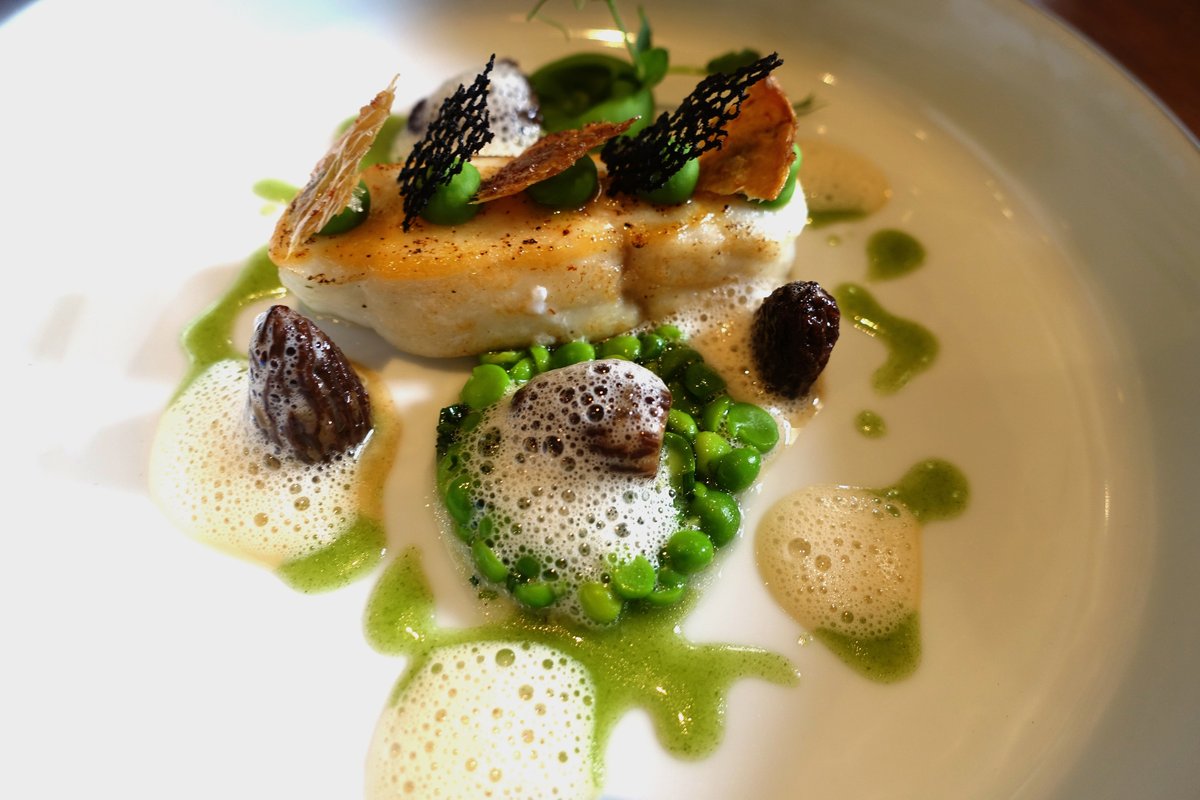
There's a whisper in the air, a certain je ne sais quoi, that distinguishes an ordinary meal from an extraordinary one. It's in the delicate clink of crystal, the artful presentation of a dish, and the seamless ballet of service. This is the realm of Upscale & Fine Dining, a world where culinary excellence isn't just a goal, but a deeply cherished legacy passed down through generations of chefs, restaurateurs, and dedicated staff.
More than mere sustenance, fine dining offers an immersive experience, a momentary escape where every detail is curated to delight and inspire. From the thoughtful sourcing of ingredients to the meticulous plating and the attentive service, it's a celebration of gastronomy that continues to captivate diners across the globe.
At a Glance: What You'll Discover About Fine Dining
- The True Definition: It's about artistry, service, and atmosphere, not just price.
- Behind the Culinary Curtain: Meet the visionary chefs and their creative processes.
- The Unseen Choreography: How impeccable service transforms a meal into an event.
- Setting the Scene: The deliberate design and ambiance of an upscale establishment.
- Navigating the Experience: Essential etiquette and what to expect.
- Value Beyond the Cost: Understanding the investment in an unforgettable evening.
- The Future is Flavorful: How fine dining evolves while honoring tradition.
Beyond the White Tablecloth: What Truly Defines Upscale & Fine Dining?
When you hear "Upscale & Fine Dining," your mind might conjure images of starched white tablecloths and hushed conversations. While those elements are often present, they're merely brushstrokes in a much larger, more intricate portrait. True upscale dining is a holistic sensory journey, a meticulous orchestration of culinary artistry, impeccable service, and a captivating atmosphere designed to create an unforgettable experience.
Consider Papillon Restaurant, a Bay Area institution that has served exquisite French dining for over 45 years. For more than four decades, it has stood as a beacon of what defines fine dining: a commitment to timeless elegance and culinary innovation. It's a place where tradition meets contemporary vision, reflecting the very essence of this esteemed category.
The Pillars of Distinction:
- Culinary Artistry: This is where the magic truly begins. It's the Executive Chef's personal interpretation of contemporary culinary arts, often shaped by a rich blend of cultural backgrounds and intensive training. For instance, Papillon's Executive Chef de Cuisine, Nittra Foreman, honed her skills at Tante Marie in San Francisco and trained with luminaries like Traci des Jadin and Suzette Grish. Her unique style, combining her Asian background with European methods and a focus on local ingredients, exemplifies this artistic fusion. Every dish is not just food, but a thoughtfully composed masterpiece.
- Impeccable Service: The service at a fine dining establishment isn't just about taking an order; it's an intuitive dance of anticipation and attention. It’s the quick seating upon arrival, the crisp white tablecloths, the freshly cut flowers, and the sparkling silverware that greet you. This level of detail, as emphasized at Papillon, ensures that diners feel cared for and respected, with every need met before it's even voiced.
- Captivating Ambiance: The setting is paramount. It’s carefully designed to transport you, whether into a traditional dining room with muted, sophisticated tones or an atrium that offers a soft evening glow or filtered sunlight through an ivy-covered glass solarium. This thoughtful environment enhances the dining experience, creating a sense of occasion and intimacy.
- Exceptional Ingredients: The foundation of any great dish is its components. Upscale dining prioritizes the highest quality, freshest, and often locally sourced ingredients, transforming them through skilled preparation into something extraordinary. This commitment to quality permeates every aspect of the menu.
A Taste of History: The Evolution of Elegance
The concept of fine dining isn't new; its roots stretch back centuries to the opulent feasts of European royalty and aristocracy. These grand affairs were as much about displaying wealth and power as they were about gastronomic pleasure. Over time, as society evolved, so did the dining landscape. The French Revolution, surprisingly, played a pivotal role, dispersing royal chefs who then opened their own restaurants, making haute cuisine accessible (albeit still exclusive) to a wider public.
From the elaborate service à la française (all dishes served at once) to the more refined service à la russe (dishes served sequentially), fine dining continuously adapted, emphasizing presentation, seasonality, and the chef's individual flair. Today, establishments like Papillon, with its 45-year legacy, stand as testaments to this enduring tradition, continually refining their offerings while staying true to the timeless principles of quality and elegance. They prove that while trends may come and go, the pursuit of culinary perfection remains a constant.
The Masterminds Behind the Menu: Chefs & Their Vision
At the heart of every exceptional fine dining experience is the Executive Chef – an artist, an innovator, and often, a visionary. These culinary architects don't just cook; they compose, imagine, and meticulously execute a symphony of flavors and textures. Their journey is often one of rigorous training, relentless practice, and an insatiable curiosity for ingredients and techniques.
Take Nittra Foreman, the Executive Chef at Papillon, who has helmed the kitchen for almost 40 years. Her path began with formal culinary education at Tante Marie in San Francisco, followed by invaluable experience training with renowned chefs. This blend of structured learning and hands-on mentorship is crucial. It’s this deep well of knowledge that allows her to draw from diverse influences—her Asian background beautifully interwoven with European culinary methods—to create a truly unique interpretation of contemporary dishes. Her emphasis on local ingredients ensures freshness and a connection to the region, showcasing how a chef's personal philosophy breathes life into a menu.
A chef's vision extends beyond individual dishes to the entire menu concept. They consider seasonality, sourcing, innovation, and how each course flows into the next, aiming to tell a story or evoke a feeling with every meal. It's a demanding role, requiring both technical mastery and an extraordinary creative spirit.
The Art of Service: Orchestrating an Unforgettable Evening
While the food may be the star, the service is the supporting cast that ensures a flawless performance. In upscale dining, service is an art form, a seamless choreography designed to anticipate needs and enhance enjoyment without ever being intrusive. It’s an unspoken dialogue between the diner and the staff, where every detail is noted and acted upon with grace and precision.
From the moment you step through the door, a team of professionals – the maître d', sommeliers, and servers – works in unison. They ensure quick seating, present neat white tablecloths, arrange fresh flowers, and set out sparkling silverware. The objective isn't merely efficiency; it's about creating an atmosphere of warmth, respect, and attentive care. For special occasions, particularly when you're seeking Best Charleston dining for occasions, the caliber of service can elevate a good meal to a truly memorable event.
The sommelier, for instance, isn't just there to pour wine; they're a guide, helping you navigate complex wine lists to find the perfect pairing for your meal. The servers understand the nuances of the menu, ready to explain preparations, answer questions, and offer recommendations. This meticulous attention to the front-of-house experience ensures that the diner can relax fully, savoring each moment while the professionals orchestrate their evening with expertise and discretion.
Setting the Scene: Ambiance, Atmosphere, and Aesthetics
The dining environment in an upscale restaurant is never accidental; it's meticulously crafted to complement the culinary experience. Every element, from the architecture to the lighting and the table settings, contributes to an overarching ambiance that is both luxurious and inviting. This careful design creates more than just a place to eat; it creates an escape, a world apart.
Think of Papillon's dining spaces: the traditional room with its muted tones that evoke a sense of classic elegance, or the atrium where an ivy-covered glass solarium filters sunlight for lunch or offers a soft evening glow. These details are not trivial; they are integral to the dining journey. The lighting is typically soft and strategically placed to highlight the food and create intimacy, avoiding harsh glares. Music, if present, is subtle and carefully chosen to enhance the mood without distracting from conversation. Even the texture of the linens and the weight of the flatware contribute to the overall tactile experience.
The goal is to envelop the diner in an atmosphere that is sophisticated, comfortable, and conducive to savoring the moment. It’s about creating a space where conversations flow easily, where the outside world fades away, and where every detail reinforces the sense of occasion. Whether you're planning a quiet dinner or searching for Romantic Charleston anniversary dining, the deliberate crafting of ambiance is what makes these moments truly special and lasting.
Navigating the Nuances: Etiquette and Expectations
Stepping into an upscale dining establishment can feel like entering a different world, complete with its own unspoken rules. Understanding a few key points of etiquette and managing your expectations can significantly enhance your experience, allowing you to relax and fully appreciate the occasion.
Essential Guidance:
- Dress Codes: While many fine dining establishments have relaxed their formal requirements, a smart casual or business casual dress code is usually a safe bet. For truly high-end places, a jacket for men might still be appreciated or even required. When in doubt, it’s always wise to check the restaurant's website or call ahead. It’s about respecting the establishment and the effort put into the atmosphere.
- Making Reservations: Fine dining often requires planning. Popular restaurants, especially for weekend evenings or holidays, can book weeks or even months in advance. Utilize online reservation systems like OpenTable, or call directly. Be punctual, as tables are carefully timed. If you need to cancel or change, do so as far in advance as possible.
- Understanding the Menu: Many upscale restaurants offer tasting menus – a multi-course fixed menu designed by the chef, often with optional wine pairings. This is a fantastic way to experience the chef's full vision. À la carte options are also usually available. Don't hesitate to ask your server for clarification on ingredients or preparations; they are there to guide you.
- Tipping Guidelines: Standard tipping percentages (18-20% for excellent service) apply, and sometimes an automatic gratuity is added for larger parties. Check your bill carefully. Remember, the tip acknowledges the entire team – from the kitchen staff to the front-of-house.
- Embrace the Experience: Perhaps the most important etiquette tip is to embrace the moment. Put away your phone, engage with your dining companions, and savor each course. Fine dining is a deliberate slowing down, an invitation to enjoy food, conversation, and atmosphere without distraction.
Investing in Excellence: Understanding the Price Tag
There's no denying that Upscale & Fine Dining comes with a higher price tag than your average meal out. But to view it merely as a cost is to miss the profound value proposition it offers. This isn't just about ingredients; it's an investment in an experience, a memory, and the extraordinary culmination of passion, skill, and dedication. When seeking out Best high-end Charleston dining, understanding what you're paying for enriches the appreciation.
Where Your Investment Goes:
- Premium Ingredients: Fine dining establishments source the highest quality, often rare, seasonal, or locally farmed ingredients. This commitment to superior produce, meats, and seafood naturally comes at a premium.
- Culinary Expertise & Labor: You're paying for the highly skilled hands and creative minds of the kitchen staff, from the Executive Chef down to the prep cooks. These professionals often have years of training and experience, transforming raw ingredients into works of edible art. Their labor, precision, and innovative techniques are a significant part of the cost.
- Impeccable Service: The extensive training and number of front-of-house staff dedicated to providing seamless, anticipatory service are substantial. This includes sommeliers, maître d's, and a team of attentive servers, all working to ensure your comfort and enjoyment.
- Atmosphere & Ambiance: The design, décor, fresh flowers, premium linens, glassware, and upkeep of the dining space all contribute to the experience. These elements create the elegant, comfortable, and unique environment that sets fine dining apart.
- Operational Overheads: Running a high-end restaurant involves significant costs for prime real estate, specialized equipment, rigorous cleaning standards, and often, extensive wine cellars.
- Innovation & Research: Chefs are constantly experimenting, traveling, and researching new techniques and flavors to keep their menus fresh and exciting. This ongoing investment in culinary development ultimately benefits the diner.
Essentially, you are not just purchasing a meal; you are investing in a meticulously curated journey for your senses, a rare opportunity to witness culinary artistry and exceptional hospitality in action.
Choosing Your Culinary Journey: What to Look For
With countless exquisite options, how do you select the perfect Upscale & Fine Dining experience for you? It comes down to aligning your expectations with the restaurant's offerings and reputation.
Key Considerations:
- Reputation and Reviews: Start with trusted sources like Michelin Guides, local food critics, and reputable online reviews. Look beyond star ratings to read about specific dishes, service anecdotes, and the overall vibe.
- Chef's Philosophy: Does the chef focus on a particular regional cuisine, seasonal ingredients, or innovative techniques? Understanding their culinary vision can help you choose a restaurant that aligns with your preferences. Nittra Foreman's blend of Asian and European methods, for example, offers a unique contemporary style.
- Menu Focus: Are you in the mood for a multi-course tasting menu, or do you prefer the flexibility of à la carte? Some establishments specialize in one over the other. Consider dietary restrictions or preferences when reviewing menus online.
- Occasion: Is this a casual indulgence or a milestone celebration? The desired formality and atmosphere might vary. A quiet, romantic spot differs from a vibrant, celebratory banquet room (like Papillon's, which accommodates up to 70 guests).
- Ambiance: Do you prefer a traditional, intimate setting or something more modern and open? Review photos of the dining room and atrium spaces to get a feel for the atmosphere.
By taking these factors into account, you can confidently choose a fine dining experience that promises to be not just a meal, but a treasured memory.
The Future of Fine Dining: Evolution and Enduring Appeal
The world of Upscale & Fine Dining is not static; it's a dynamic realm constantly evolving while steadfastly upholding its core values. As society changes, so too do the preferences and priorities of diners, prompting fine establishments to adapt and innovate.
One significant trend is the increasing emphasis on sustainability and local sourcing. Diners are more conscious of where their food comes from, and chefs are responding by forging deeper relationships with local farmers, reducing food waste, and embracing eco-friendly practices. This isn't just a trend; it's a commitment to responsible gastronomy that enhances flavor and supports communities.
Another area of evolution is personalization. While the traditional structure of fine dining remains, there's a growing desire for experiences that feel uniquely tailored. This might manifest in customizable tasting menus, accommodating a wider range of dietary needs, or even interactive elements that bring the diner closer to the culinary process.
Yet, amidst these innovations, the enduring appeal of fine dining remains rooted in its timeless promise: a commitment to exceptional quality, unparalleled service, and an unforgettable experience. Establishments like Papillon, with its decades-long legacy, exemplify how balancing tradition with thoughtful innovation ensures that the magic of fine dining will continue to captivate generations to come. It’s a testament to the fact that some legacies are simply too delicious to fade.
Your Next Exquisite Meal Awaits
The world of Upscale & Fine Dining is a vibrant tapestry woven with threads of history, artistry, and dedication. It's a realm where food transcends mere sustenance to become a form of expression, where service is a delicate dance, and where every detail contributes to an immersive sensory journey.
Whether you're celebrating a milestone, seeking a romantic escape, or simply indulging your passion for exquisite cuisine, an unparalleled experience awaits. Take the time to explore, to savor, and to appreciate the profound artistry that goes into every dish, every pour, and every carefully orchestrated moment. Your next extraordinary meal isn't just a reservation away; it's an invitation to partake in a culinary legacy that continues to define excellence.